
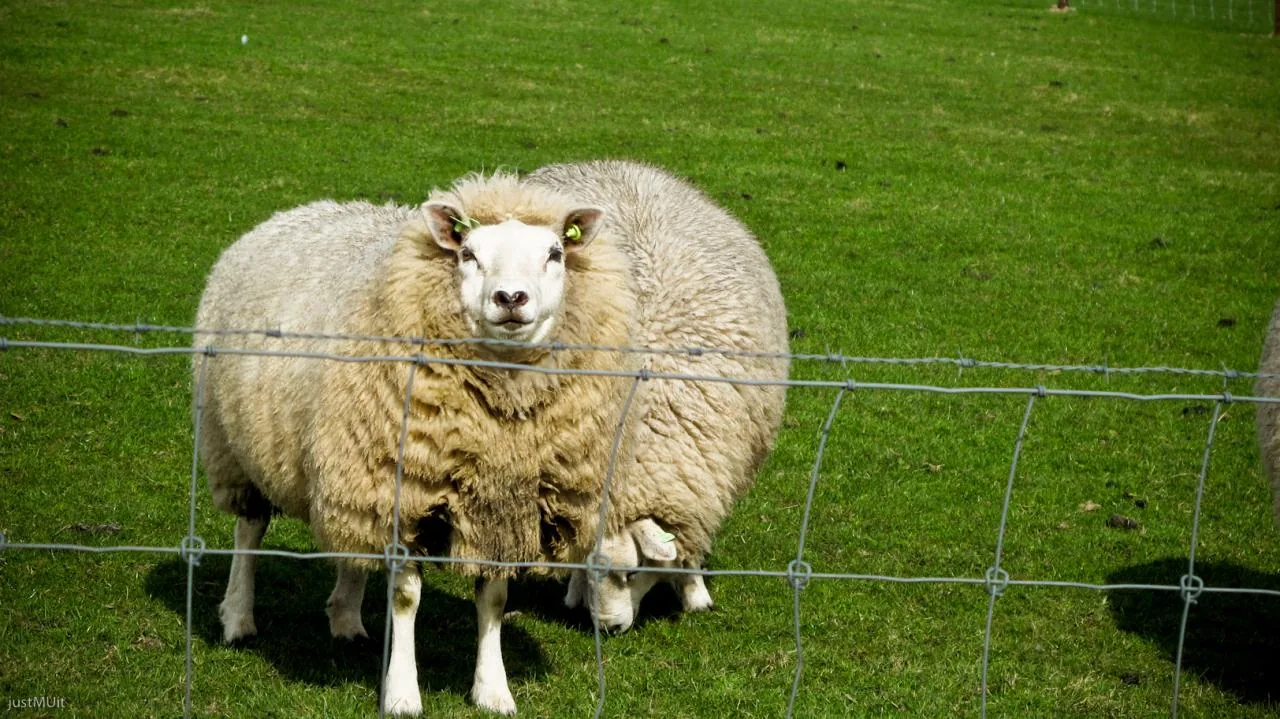
Description1
The breed takes its name from the Dutch island of Texel, where it developed. It was long bred only in the Netherlands and spread abroad only from the middle of the last century. Its popularity grew further once the EU introduced the S/EUROP grading system modelled on Texel conformation, in which Texel-blood sheep grade best.
The original Dutch type is small, but abroad (England, Germany) it was enlarged, and in Belgium its double-muscled (‘culard’) variant, the Beltex, was developed. It has excellent conformation, well muscled front and rear; lamb growth is high, while it remains a good mother with good milk and lamb-rearing ability.
A medium-to-large, strongly boned meat breed that matures moderately early and breeds seasonally. The head is medium-long with a broad, flat skull and a square forehead; the ears stand out sideways. The wool is white with little crimp; the head and legs are covered with white hair.
History1
Mid-20th century
The breed, previously kept only in the Netherlands, spreads abroad.
S/EUROP introduction
The EU-wide S/EUROP carcass grading, designed around Texel conformation, boosts its popularity further.
Breed standard and breed society
The official breed description, breeding goal and herdbook rules are published by the recognised breed society (MJKSZ).
- MJKSZ – Texel juh fajtaleíráshttps://mjksz.hu/tenyesztes/fajtak/texel-juh
Photo gallery
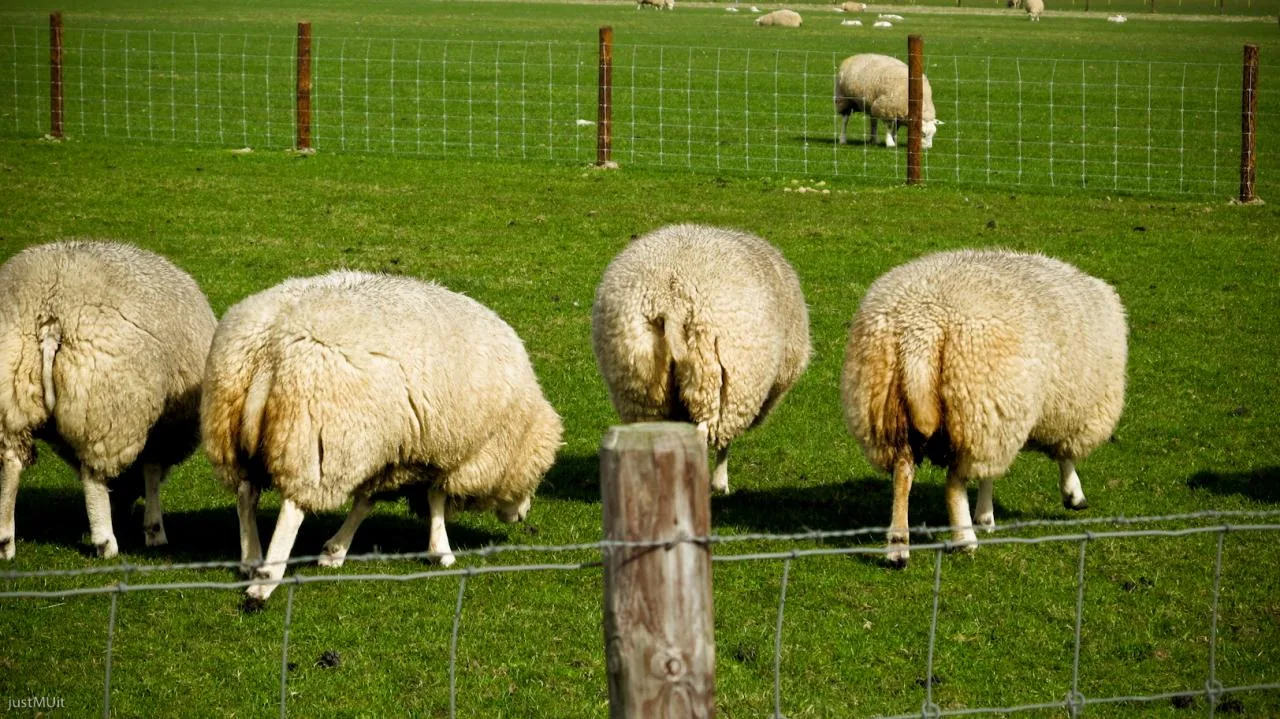
All photos are freely licensed (Wikimedia Commons, Flickr); author, source and licence are shown under each image.
Sources
Accessed: 2026-10-18.