
How to Safely Graze Sheep in Your Vineyard (And Why You Should)

Sheep are making a major comeback in modern viticulture. Using a flock for natural vineyard weed management is a cornerstone of regenerative farming, turning a costly, time-consuming chore into a sustainable benefit. But if you're wondering exactly how to safely graze sheep in your vineyard without risking your harvest, you have to remember: timing and management are everything.
Here are the key rules for keeping your vines safe while letting a flock do the heavy lifting.
1. Timing is Everything (The "When" of Vineyard Grazing)
The most critical part of grazing sheep in the vineyard is understanding the vine's life cycle. The safest time to introduce a flock is post-harvest and during winter dormancy. You must remove the sheep before bud break in the spring. Once those tender, green shoots appear, your sheep will happily snack on your future vintage!
2. Choose the Right Breed
Not all sheep are suited for walking down the rows. Many vineyard managers swear by miniature breeds like the Babydoll Southdown or Ouessant. Their short stature naturally prevents them from reaching the fruiting wire, adding an extra layer of crop insurance. If using standard-sized sheep, you must ensure your canopy and cordon heights are strictly out of reach.

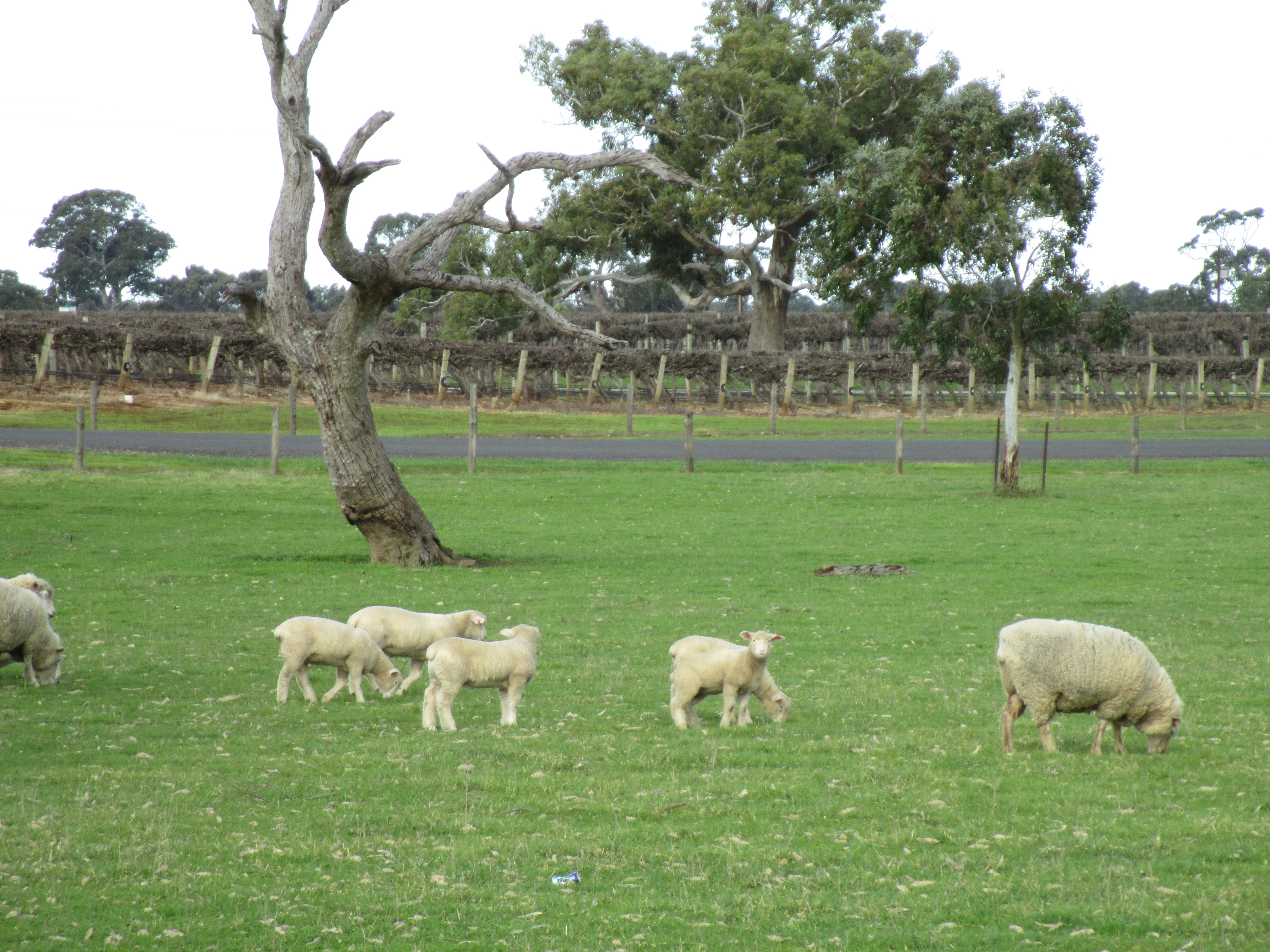
3. Protect Your Infrastructure
Even in winter dormancy, sheep can cause damage if grazing pressure is too high or the pasture gets too low.
- Bark Nibbling: Ensure the flock has plenty of alternative forage. If the cover crop is bare, they might start chewing on younger vine trunks.
- Irrigation Lines: Make sure drip lines are suspended high enough off the ground, or securely fastened, so they aren't chewed or trampled by passing hooves.
4. Monitor Your Vineyard's Health
Integrating livestock isn't a simple "set it and forget it" practice. You’ll want to track soil health, weed reduction rates, and canopy growth from season to season to measure your success.
(Pro tip: Keeping track of these evolving vineyard metrics is much simpler with viticulture management platforms like EverGrape, the vineyard management app, which helps growers make confident, data-driven decisions year-round. It’s an easy way to log exactly how your regenerative practices are impacting your vine health and yields.)
The Bottom Line
When managed correctly, grazing livestock reduces your reliance on herbicides, lowers tractor passes (meaning less soil compaction), and provides natural, slow-release fertilizer directly to the soil. It’s a massive win for your vineyard ecosystem and your bottom line.
Looking for more modern farming tips, livestock solutions, or ways to upgrade your agricultural real estate? Explore more of our guides right here at 4Barn.