
Sheep breed
Hortobágyi Racka
Hortobágyi Racka (Hungarian Racka / Hungarian Zackel)
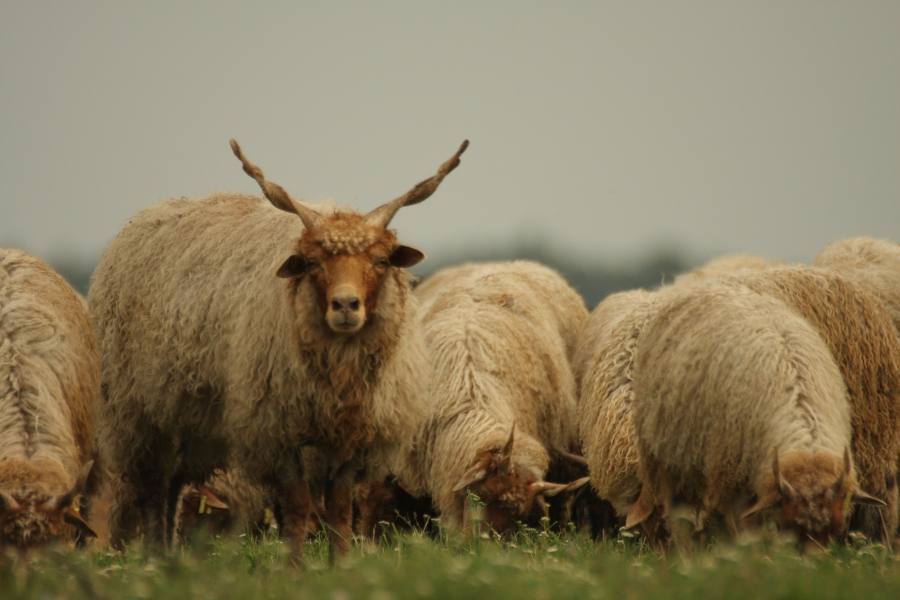
Hungary’s most ancient national sheep breed: corkscrew-twisted horns rising in a V in both sexes, and long locks of wool reaching to the ground.
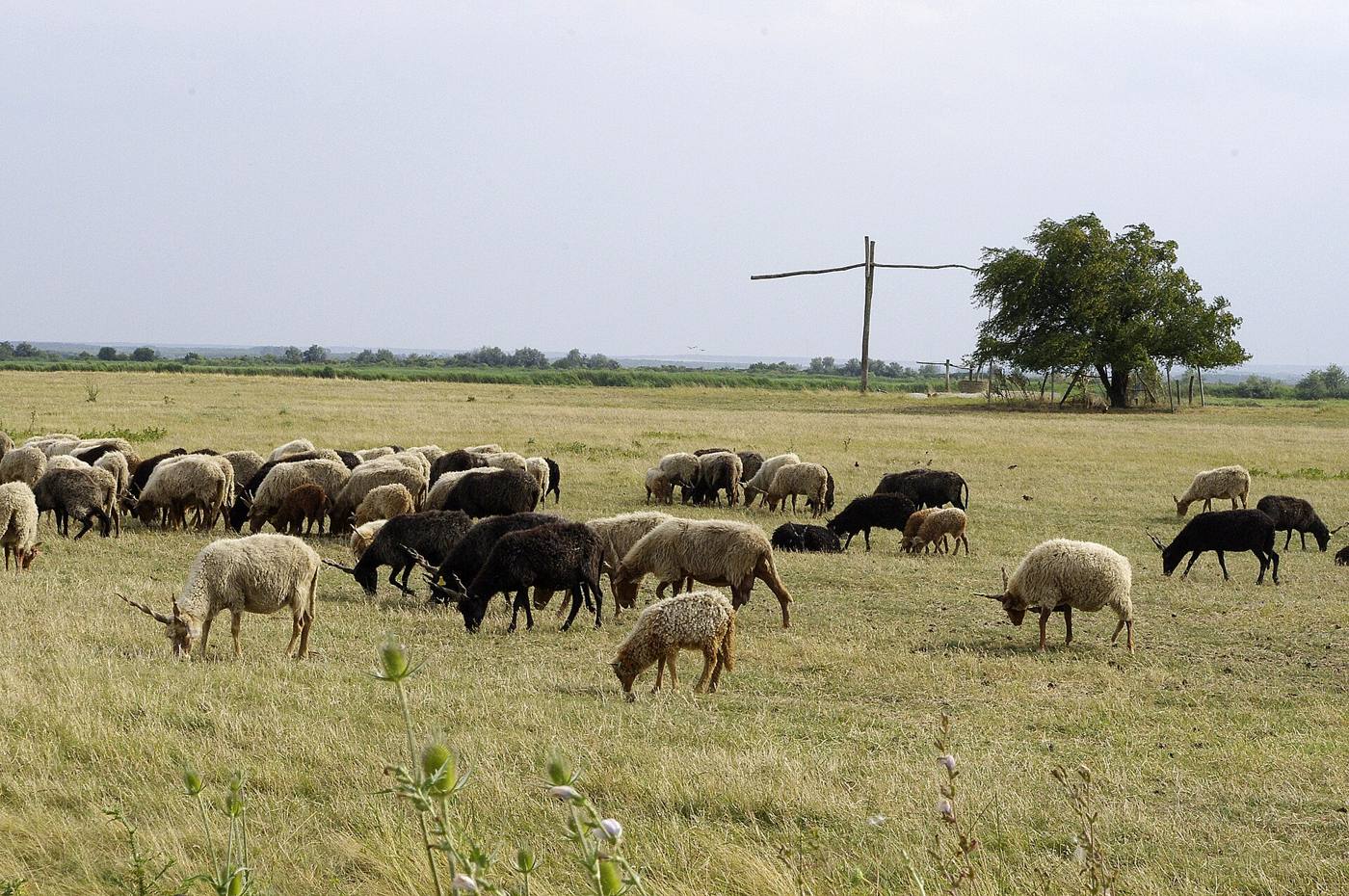
White and black Hortobágy Racka sheep by a shadoof well, Fertő–Hanság National Park, 2013. Photo: Traumrune · CC BY-SA 3.0 · Wikimedia Commons

Description1,2
For centuries the Hortobágy Racka (the “Hungarian sheep”) was the defining sheep of Hungarian pastoral life. Its hallmark is a horn shape unique in the world: straight-shafted horns rising in a regular V, twisted along their long axis.
A hardy, lively breed and a good grazer, ideally suited to extensive husbandry largely without housing. Ewes are excellent mothers and good lamb-rearers; the lambs are extremely vigorous and can walk several kilometres with their mother on the day they are born.
The fleece hangs in locks, almost corded in structure, and covers only the neck and body; the head and legs are covered with short, glossy brown or black hair. For centuries its sheepskin provided traditional garments (the kucsma fur hat and the suba cloak).
History1,3
16th–17th century
The first archaeological finds and written descriptions clearly point to the presence of the breed.
1952
From the stock that survived the war, the Hortobágy State Farm establishes its white and black Racka flocks; a foundation flock of 150 white and 150 black Racka.
1954
Béla Hankó describes it as the “Hortobágyi rackajuh” (Hortobágy Racka sheep) – the origin of today’s official name.
1975
Herdbook registration of the Hortobágy Racka begins.
From 1995
Under the new herdbook structure the number of ewes rises from approx. 2,000 to 5,000.
Breed standard and breed society
The official breed description, breeding goal and herdbook rules are published by the recognised breed society (MJKSZ).
- MJKSZ – Hortobágyi racka fajtaleírás, tenyésztési cél, törzskönyvhttps://mjksz.hu/tenyesztes/fajtak/hortobagyi-racka-feher-fekete-juh
- MJKSZ – A „Magyar juh” racka kiadvány (PDF)https://mjksz.hu/sites/default/files/media/files/racka-kiadvany.pdf
- NÉBIH – elismert tenyésztő szervezetek fajtanyilvántartója (033/95)https://portal.nebih.gov.hu/documents/10182/379191/Honlapra_NEBIH+fajtanyilvantarto.pdf/b9c77093-8ccb-1547-b870-e676112487d8?t=1781163930044
Photo gallery

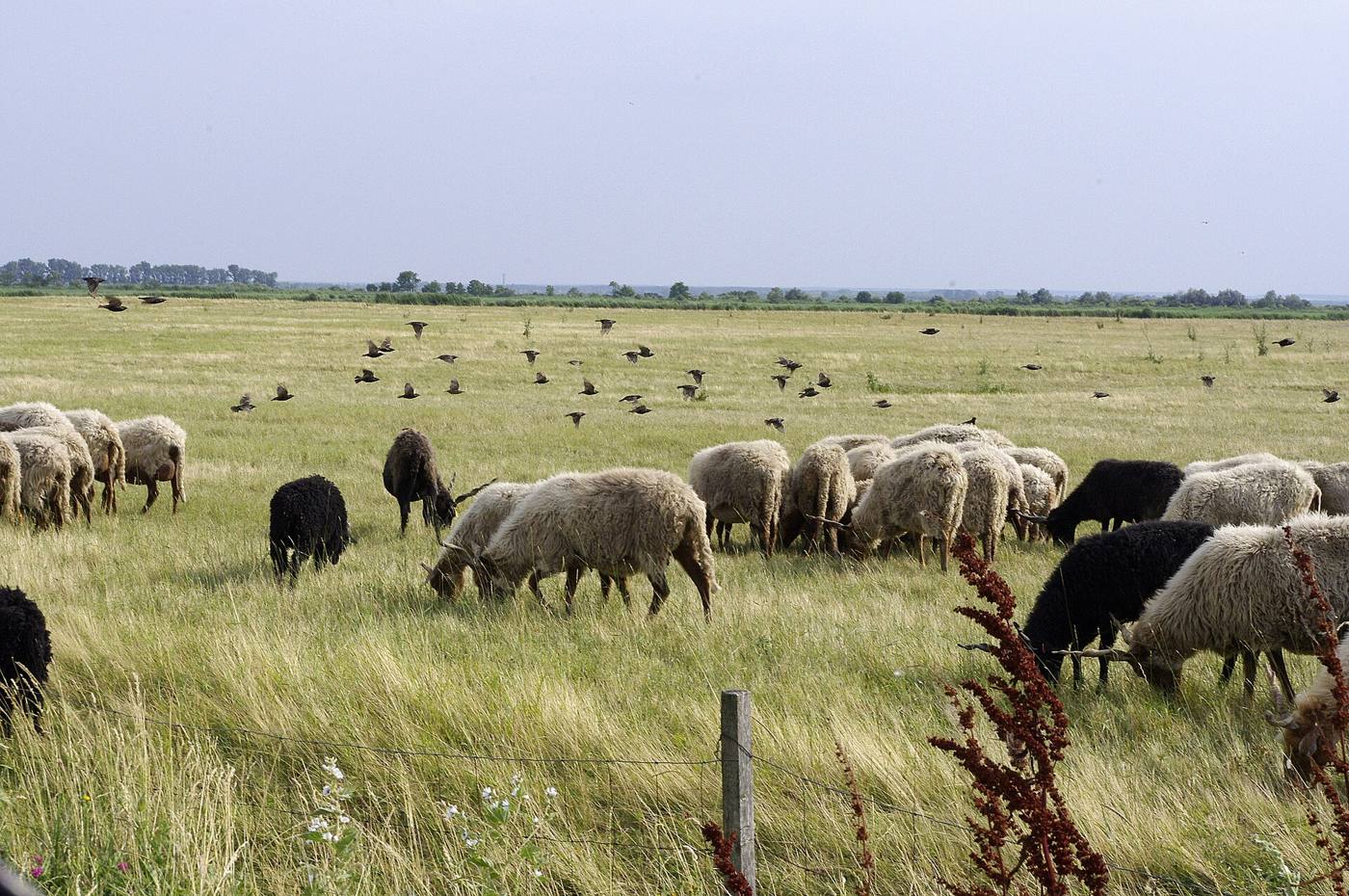

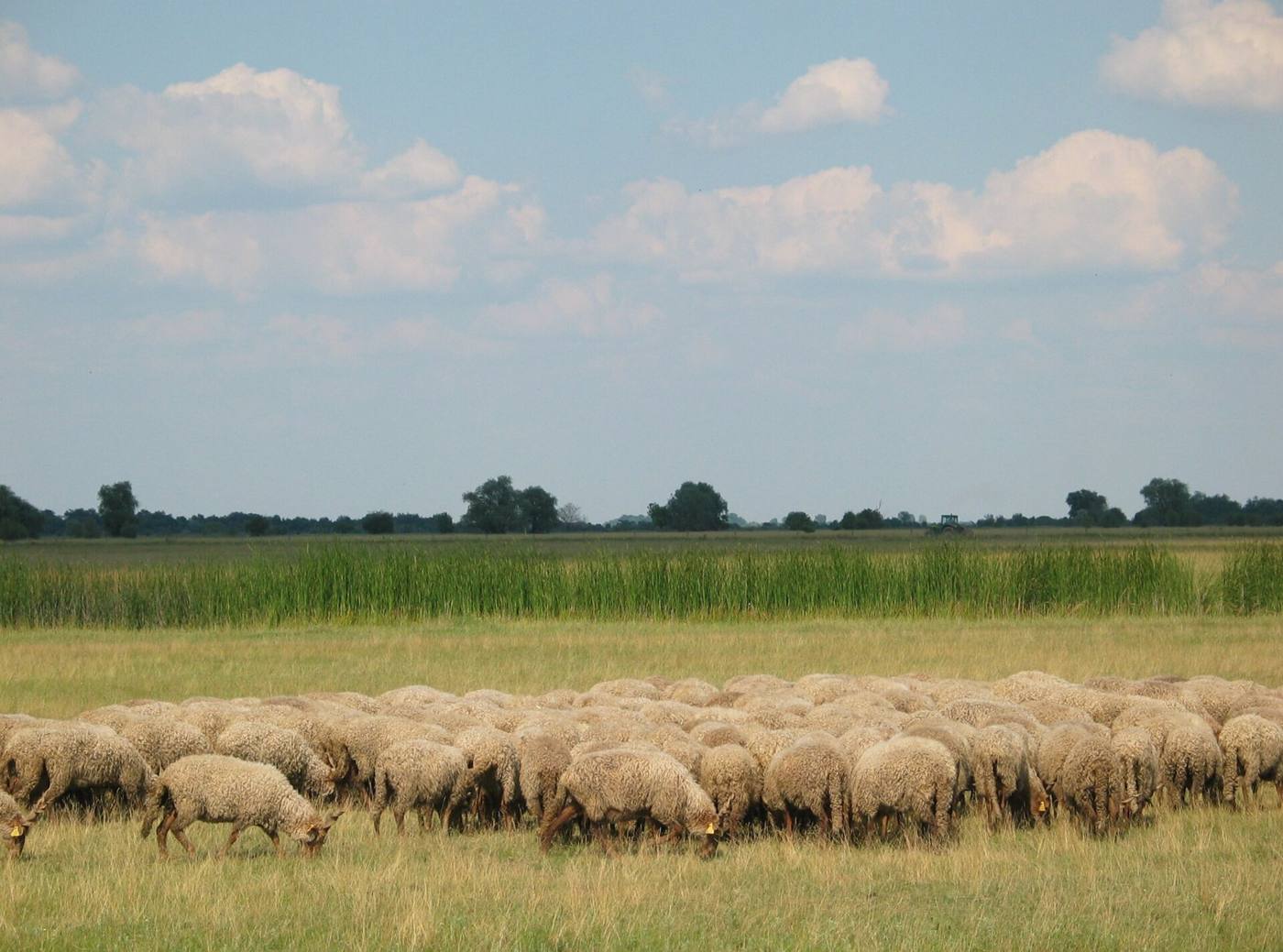

All photos are freely licensed (Wikimedia Commons, Flickr); author, source and licence are shown under each image.
Related breeds
Sources
- MJKSZ – Hortobágyi racka (fehér, fekete) juh fajtaleírás
- MJKSZ – Őshonos fajták (rövid fajtaleírások)
- MJKSZ – A „Magyar juh” (racka kiadvány, 2016, PDF)
- NÉBIH – Elismert tenyésztő szervezetek fajtanyilvántartója (2026. 10. 15.)
Accessed: 2026-10-18.