Goat breed
Old Hungarian Goat
Old Hungarian Goat
A protected native goat shaped over centuries in the Carpathian Basin – with long, shaggy locks of hair and a hardy constitution.
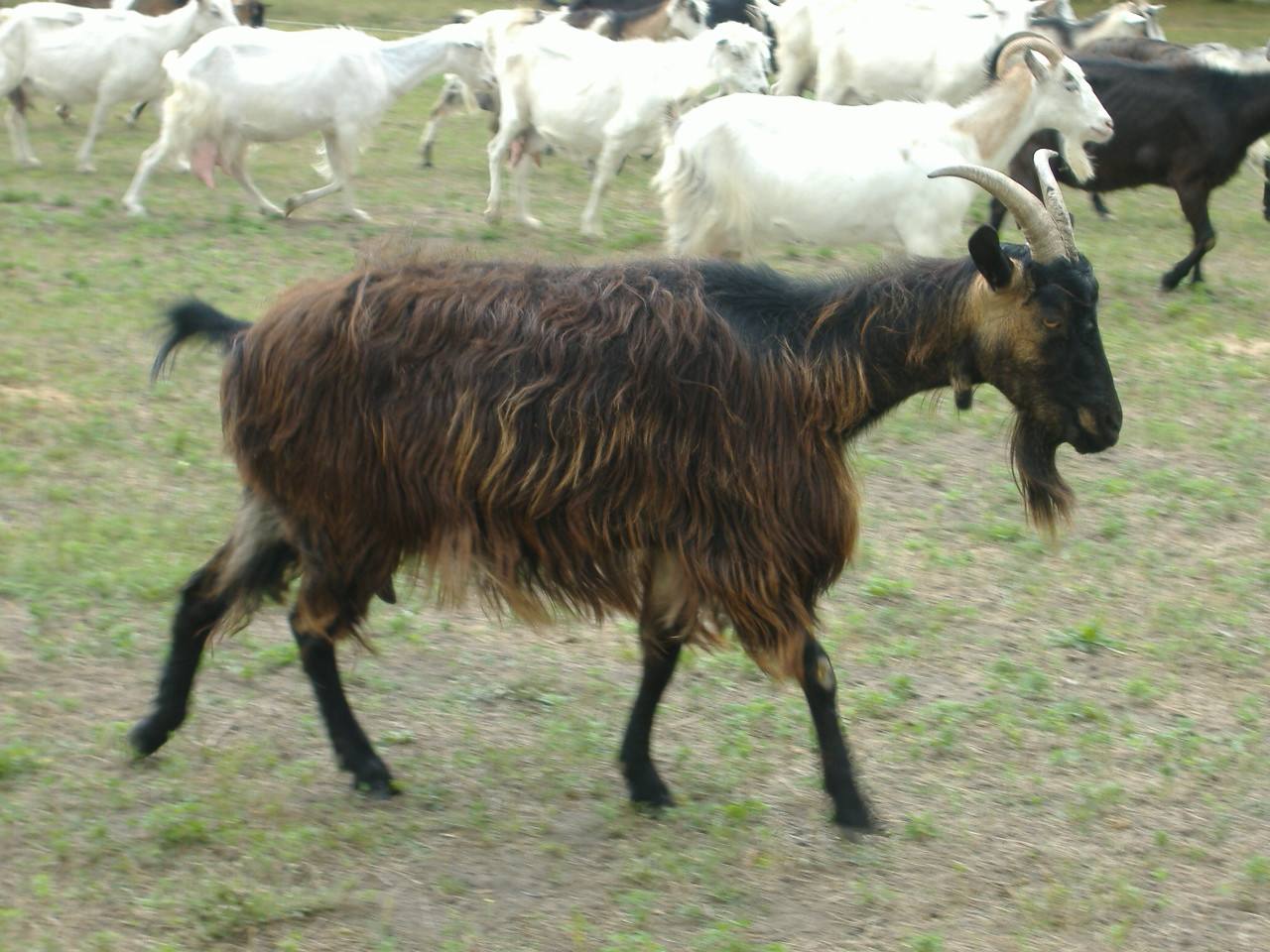
Long-haired (tincses) Hungarian landrace goat, 2006. Photo: Lily15 · CC BY-SA 3.0 · Wikimedia Commons

Description1,7,5
The Old Hungarian Goat is a landrace-type goat that developed in the Carpathian Basin from a mix of goats brought in during the Hungarian Conquest and those of the peoples living here or settling later. It is the only native Hungarian goat breed and is protected.
Its defining feature is hair at least 10 cm long on adult animals, covering either the whole body (shaggy locks) or the area behind the ribcage (‘breeches’). Bucks must show the all-over shaggy type to be herdbook-registered.
A hardy, adaptable breed that is easy to milk and performs well in both extensive and semi-intensive husbandry. Alpine (chamois) colouring is a disqualifying fault.
History8,6,5
Hungarian Conquest era
The goats of the conquering Magyars mix with the goats of the peoples living in the Carpathian Basin.
18th century
Legal restriction: only poor people may keep goats – “the poor man’s cow”.
1915
Károly Kovárzik’s foundation herds (Szilágysomlyó, Szentmártonkáta, Nyárasladány); they are dissolved after three years.
1943
András Fáy’s herds at Kőkút and Óhat.
Today
Listed in the NÉBIH breed register under no. 356/09; its recognised breeding organisation is MJKSZ.
2026
Genetic programme to reduce inbreeding; a breed club is formed within MJKSZ.
Breed standard and breed society
The official breed description, breeding goal and herdbook rules are published by the recognised breed society (MJKSZ).
- MJKSZ – Magyar parlagi kecske fajtaleírás és tenyésztési célhttps://mjksz.hu/tenyesztes/fajtak/magyar-parlagi-kecske
- MJKSZ – kecske tenyésztési program (fajtaleírás, törzskönyvezés, PDF)https://mjksz.hu/sites/default/files/media/files/kecske-tenyesztesi-program-2021.pdf
- NÉBIH – elismert tenyésztő szervezetek fajtanyilvántartója (356/09)https://portal.nebih.gov.hu/documents/10182/379191/Honlapra_NEBIH+fajtanyilvantarto.pdf/b9c77093-8ccb-1547-b870-e676112487d8?t=1781163930044
Photo gallery
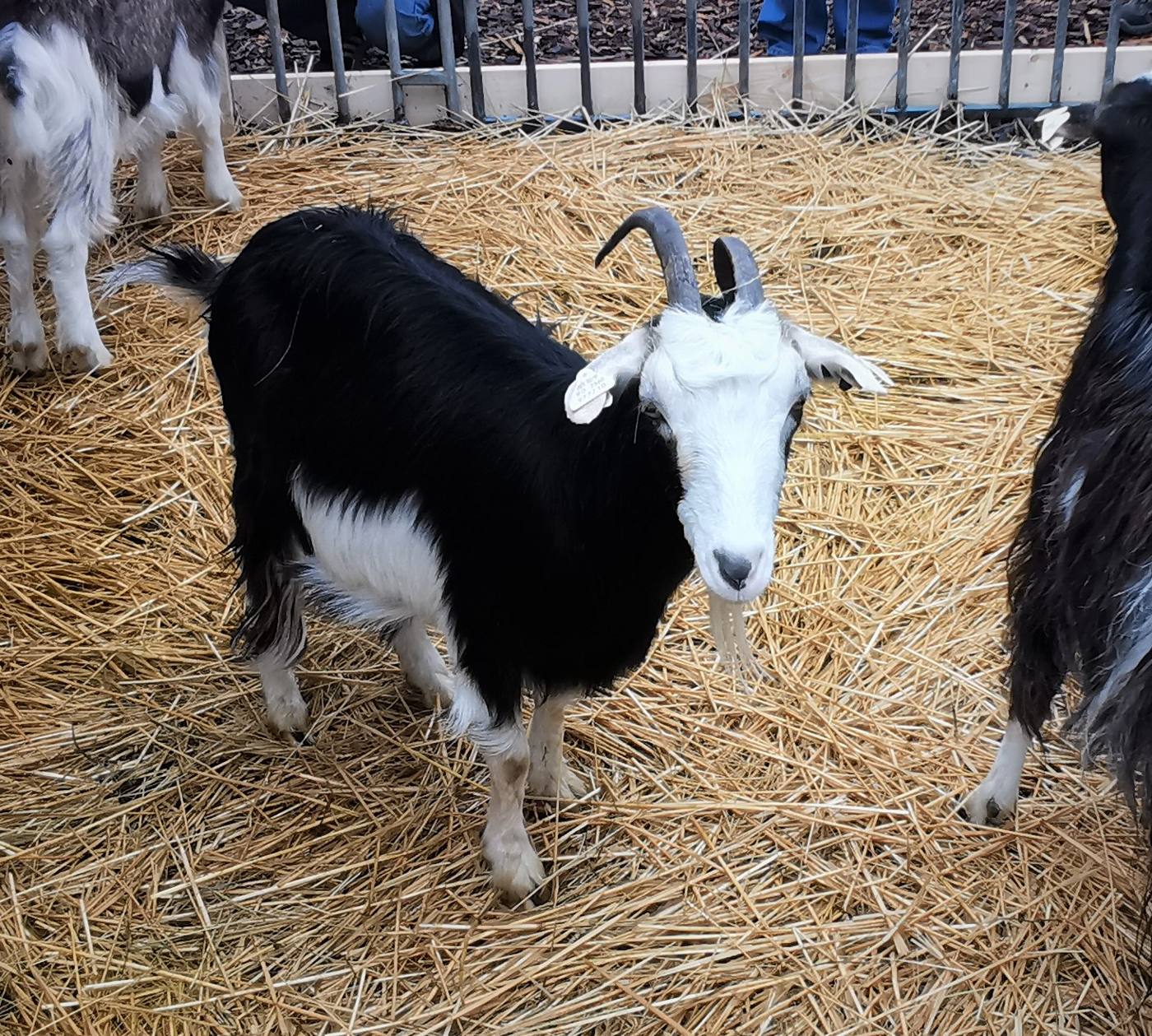

All photos are freely licensed (Wikimedia Commons, Flickr); author, source and licence are shown under each image.
Related breeds
Sources
- MJKSZ – Magyar parlagi kecske fajtaleírás
- MJKSZ – Magyar parlagi anyakecskék 2025. évi eredményei (PDF)
- MJKSZ definíció: szaporaság = 100 ellésre jutó bárányszaporulat (A „Magyar juh” racka kiadvány, 2016)
- MJKSZ – Magyar parlagi gödölyék 2025. évi adatai (PDF)
- Agroinform – Magyar parlagi kecske: erős a beltenyésztettség… (2026. 07. 16.)
- NÉBIH – Elismert tenyésztő szervezetek fajtanyilvántartója (2026. 10. 15.)
- MJKSZ – Kecskefajtákra vonatkozó tenyésztési program (2021, PDF)
- Wikipédia – Magyar parlagi kecske
Accessed: 2026-10-18.